NEW DELHI: In a move that brings immense relief to millions of farmers and rural stakeholders across the nation, Union Commerce and Industry Minister Piyush Goyal has officially confirmed that India’s sensitive sectors—specifically agriculture and dairy—have been completely excluded from the recently negotiated trade arrangements with the United States.
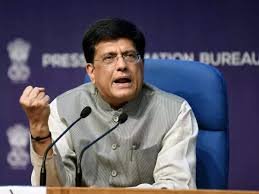
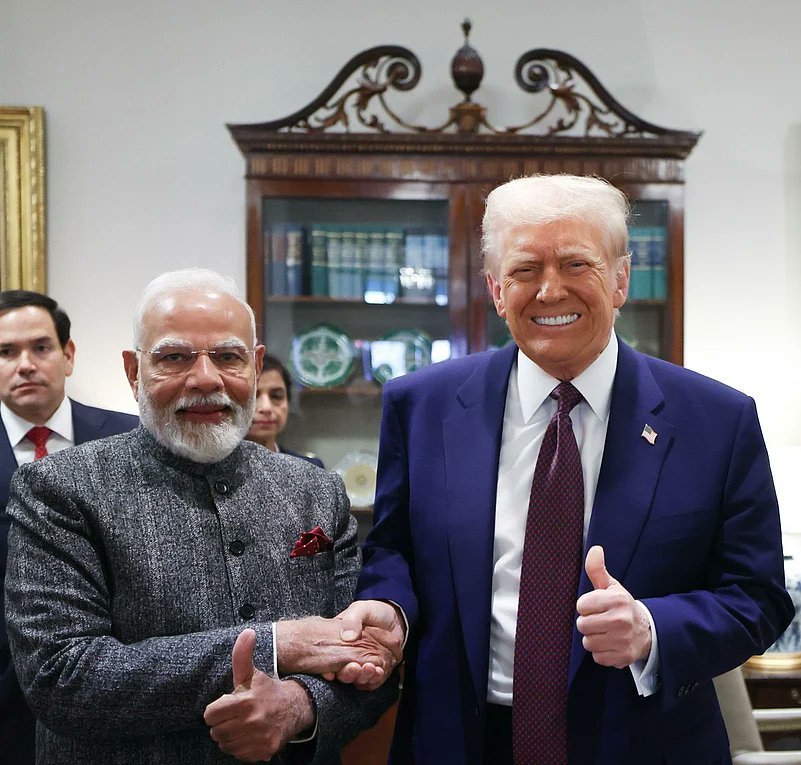
Addressing a high-level press conference following the diplomatic breakthrough between Prime Minister Narendra Modi and U.S. President Donald Trump, Minister Goyal emphasized that India’s food security and the livelihoods of its rural populace remain non-negotiable. This clarification puts to rest weeks of speculation regarding the potential influx of American dairy products and subsidized crops into the Indian heartland.
Protecting the Backbone of the Indian Economy

India’s stance on agriculture has historically been a sticking point in international trade talks. Under the current administration, the policy of Atmanirbhar Bharat has prioritized domestic self-reliance. Minister Goyal noted that the decision to keep these sectors out of the deal was a strategic necessity to protect small-scale farmers who form the bedrock of the Indian economy.
“Our farmers are our pride. While we seek to expand our global trade footprint, we will never do so at the cost of our dairy farmers or agricultural laborers,” Goyal stated. By excluding these sectors, India has successfully averted the risk of market distortion that often follows the entry of highly subsidized agricultural exports from Western nations.
A Win-Win for Manufacturing and Exports
While agriculture remains protected, the trade deal opens significant doors for other sectors. The U.S. has agreed to a substantial reduction in “reciprocal” tariffs, which had previously hampered Indian exports. The tariff on several Indian goods, which ranged between 25% and 50%, has been slashed to a more manageable 18%.
This adjustment is expected to provide a massive boost to:
- Textiles and Garments: Making Indian apparel more competitive in American malls.
- Engineering Goods: Benefiting the MSME sector.
- Gems and Jewellery: Strengthening India’s position as a premier luxury exporter.
The $500 Billion Roadmap
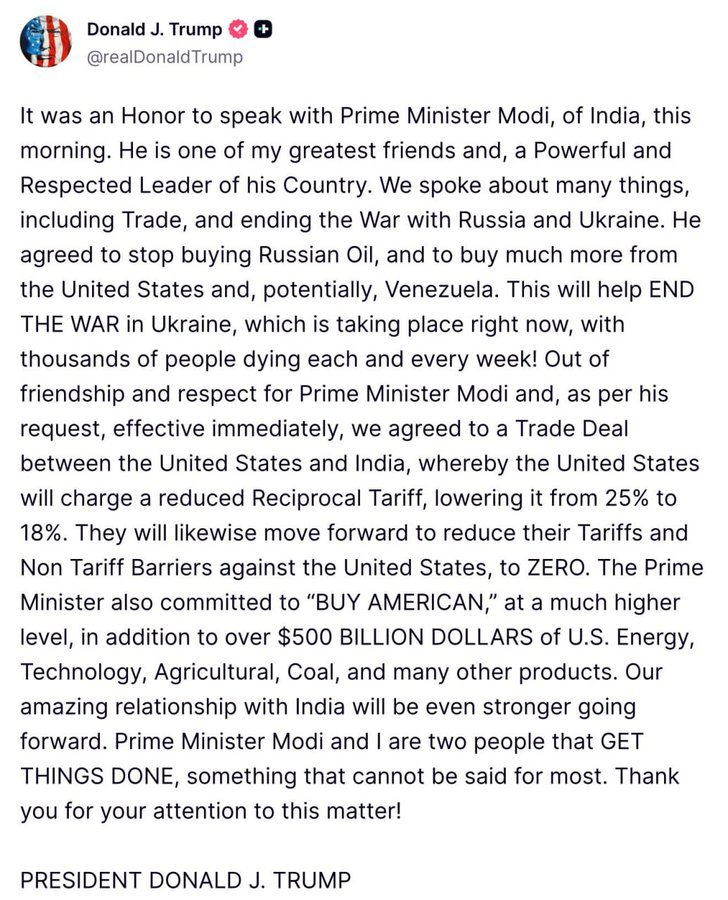
The deal is part of a broader vision to scale bilateral trade to $500 billion over the next five years. To achieve this, India has committed to purchasing high-tech equipment, energy resources, and non-sensitive American products. Minister Goyal clarified that these purchases would be focused on areas where India requires technological infusion, such as AI infrastructure, semiconductor manufacturing equipment, and civil aviation components.
Geopolitical Alignment and Economic Stability
The timing of this deal is crucial. With global supply chains shifting away from singular dependencies, the India–United States relations have evolved into a comprehensive global strategic partnership. This trade pact is seen as a counterweight to economic volatility, providing a stable framework for investors in both Washington and New Delhi.
Economists predict that the tariff reductions alone could add billions to India’s export revenue by the end of the 2026-27 fiscal year. Furthermore, the exclusion of the dairy sector prevents a potential clash with India’s cooperative giants, ensuring that the “White Revolution” continues to thrive locally.
Political Reaction and Industry Sentiment
While the government celebrates this as a masterstroke of economic diplomacy, the opposition has raised questions about the long-term impact of the $500 billion purchase commitment. However, industry bodies like FICCI and CII have hailed the move, calling it a “pragmatic and balanced” agreement that safeguards the vulnerable while empowering the competitive.
Conclusion
The 2026 India-U.S. trade update serves as a testament to India’s growing bargaining power on the global stage. By standing firm on agriculture and dairy, the government has sent a clear message: India is open for business, but not at the expense of its most vulnerable citizens. As the finer details of the pact are implemented, the focus will now shift to how Indian exporters can maximize the 18% tariff window to dominate the American market.
read this news in hindi: भारत-अमेरिका ऐतिहासिक ट्रेड डील: किसानों और डेयरी सेक्टर पर नहीं आएगी आंच, पीयूष गोयल का बड़ा बयान